RESEARCH
Six Emitters Down, a Planet Slightly Better Off
MARS-S2L has flagged methane leaks across 25 countries and permanently fixed six major emitters, including a decade-old Algerian super-emitter
19 Jun 2026
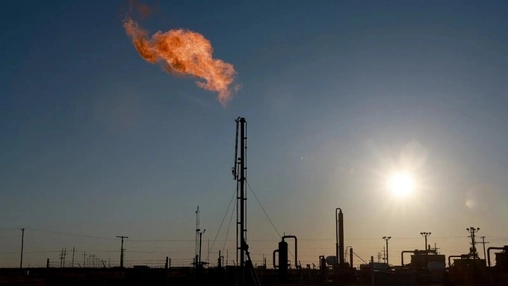
Six methane leaks are gone for good. Behind each fix: a single AI-powered satellite system that didn't just detect the problem but stayed on it until operators acted.
MARS-S2L, developed by Mateo-Garcia Research and trained on 80,000 satellite images, has issued 2,776 notifications to stakeholders across 25 countries. Among the emitters it caught was a facility in Algeria bleeding an estimated 27,000 tonnes of methane per year, a source that had gone undetected for a full decade before the system flagged it and prompted a permanent repair. That gap, ten years of unchecked emissions, captures exactly why conventional monitoring has fallen short.
What separates MARS-S2L from earlier detection tools is its dual-path framework, which links satellite imagery to facility-level attribution. Operators don't just see a plume; they see which specific asset is responsible. For companies managing sprawling infrastructure across multiple sites, that precision is the difference between actionable intelligence and another alert to ignore.
Published in Nature npj Climate and Atmospheric Science, the research led by Gonzalo Mateo-Garcia et al. described the platform as demonstrating "a scalable pathway from satellite detection to quantifiable methane mitigation." The system runs on ESA's Sentinel-2 imagery, giving it near-global reach without requiring dedicated sensor hardware. Lower hardware costs matter when the goal is widespread adoption, not just a proof of concept.
Verified mitigation is what makes this work count. Methane's warming impact dwarfs that of carbon dioxide over short timeframes, so every confirmed fix translates into a measurable climate gain, not just a data point on a monitoring dashboard. Energy companies and regulators operating under tightening emissions disclosure rules now have a concrete model: satellite AI that satisfies both compliance demands and operational priorities at once. Scaling the platform across additional facilities and sectors could make that combination routine.
Related News


topics on the agenda
TRANSFORMING THE SUPPLY CHAIN WITH AI
DAY 1: undefined
09:00 - 09:25
QUANTUM COMPUTING: THEN, NOW, AND GOING FORWARD
DAY 1: undefined
09:30 - 09:55
AI-POWERED PERMIT INTELLIGENCE SYSTEM
DAY 1: undefined
11:30 - 11:55
SUBSCRIBE FOR UPDATES
By submitting, you agree to receive email communications from the event organizers, including upcoming promotions and discounted tickets, news, and access to related events.